Creative Repurposing Methods
There’s a practical art to transforming everyday items into new, valuable uses; in this guide you’ll learn straightforward techniques to assess materials, adapt designs, and apply simple tools so your projects are both functional and stylish. You’ll gain step-by-step strategies for sorting, safety, and finishing touches, plus creative repurposing methods prompts to spark ideas across home, garden, and office projects that save resources and showcase your skill.
Unconventional Inspirations for Creative Repurposing Methods
You can pull fresh repurposing ideas from unexpected corners: biology, vernacular crafts, and industrial design. Examples like Velcro (patented 1955, inspired by burrs) and the kingfisher-shaped Shinkansen nose show how observation yields practical solutions. Apply patterns—layering from boro textiles, interlaced sakiori braiding, honeycomb geometry—to create furniture, storage, or textiles that reuse materials while improving strength, insulation, or aesthetics.
Nature as Your Guide: Biomimicry in Design
You should study functional forms: the lotus leaf’s self-cleaning surface informs hydrophobic coatings, burr hooks inspired Velcro (patented 1955), and the kingfisher beak guided Shinkansen nose redesigns to reduce noise and drag. Translate these into repurposing by mimicking structures—honeycomb cores for lightweight shelving, ribbed textures for sediment-filtering planters, or layered scales for insulating upcycled garments—so form and function evolve together.
Cultural Artifacts: Learning from Traditions
You can adapt centuries-old repair and reuse systems such as Japanese boro and sashiko, Indian kantha quilts made from stitched saris, or sakiori woven rag rugs. These practices prioritize patching, visible repair, and modular layering; apply their techniques to mend denim with decorative reinforcement, re-stitch textiles into home goods, or combine scraps into durable composites that honor original materials and extend lifespan.
Detailed study of boro (Edo period, 1603–1868) and sakiori reveals specific methods: dense running stitches in sashiko distribute stress across fabric, while sakiori weaves narrow strips into new warp and weft to create resilient floor coverings. You can replicate sashiko to reinforce high-wear zones, harvest 2–3 cm strips for sakiori braids, or document repair patterns to inform repeatable upcycling workflows that preserve provenance and material value.
Transformative Techniques to Creative Repurposing Methods
You can combine mechanical, chemical and design-led approaches to repurpose materials at scale: mechanical shredding and remelting suit metals and many plastics, chemical depolymerization converts PET back to monomers for high-quality reuse, and modular design extends product life by simplifying repair. Aluminum recycling uses about 95% less energy than primary production, while initiatives like IKEA’s Kungsbacka use recycled PET bottles and reclaimed wood to demonstrate commercial feasibility.
The Art of Upcycling: Turning Trash into Treasure
You transform discarded items into higher-value pieces by redesigning function and aesthetics: convert a Euro pallet (120×80 cm) into a coffee table top, sand and finish reclaimed wood for a rustic shelf, or turn wine bottles into pendant lights with a $15 bottle cutter and silicone edge sanding. Community workshops have shown upcycled furniture can fetch 2–3× the material cost when finished professionally.
DIY Hacks: Everyday Items with New Functions
You can replace single-use solutions with simple conversions: a standard pint mason jar (≈473 ml) becomes a food storage container or dry-good dispenser, binder clips keep cables tidy along a desk edge, and silicone cupcake liners act as reusable snack cups. These swaps often take under 10 minutes and cut down disposable purchases quickly.
For practical steps, drill three 3/16″ drainage holes in yogurt or sour-cream tubs to start seedlings with 50% potting mix and slow-release fertilizer; clean grout with an old toothbrush plus a paste of baking soda and a splash of vinegar; repurpose a wooden ladder into a bookshelf by securing two 2.5″ screws through L-brackets into wall studs and placing planks across the rungs for adjustable shelving.
Crafting Unique Solutions for Home and Office
You can blend function and flair by turning overlooked pieces into purposeful fixtures—convert a vintage suitcase into a lamp base or use drawer dividers to make a modular entry station; for a broad list of ideas consult 76 Hacks for Repurposing Random Old Household Items to jumpstart projects with step-by-step examples and material lists.
Furniture Revival: Creative Makeovers for the Everyday
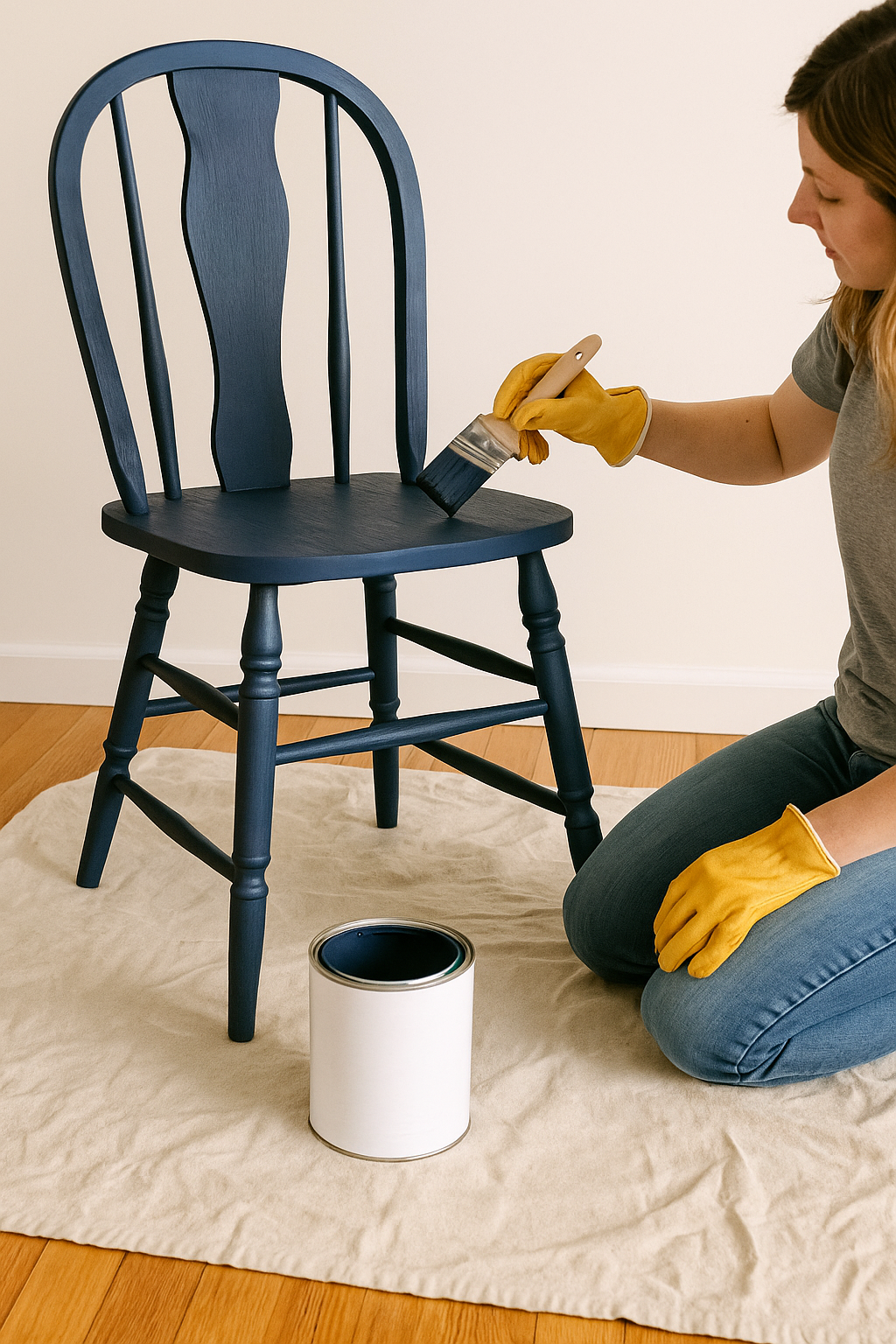
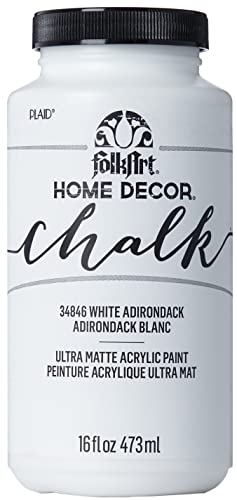
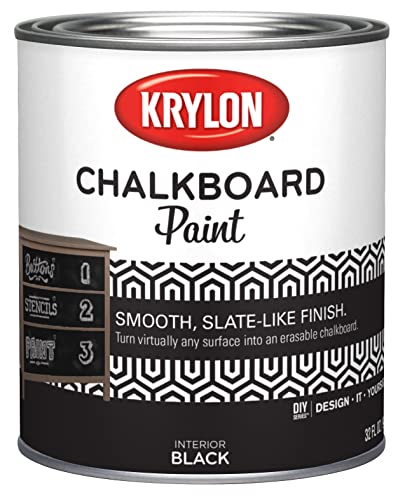
Flip a tired dresser into a bathroom vanity by removing the center drawers and adding a vessel sink—most DIYs take 2–4 hours and under $75 in supplies; strip with 120-grit sandpaper, apply two coats of chalk paint, swap hardware for brass pulls, and gain a custom piece that costs a fraction of retail restoration services.


Office Space Optimizations: Functionality Meets Style
Mount a pegboard above your desk to hold up to 20 tools and accessories, free up desktop real estate, and create zones for charging, paperwork, and display; repurpose a shallow bookshelf as an under-desk drawer unit to store files and peripherals, cutting clutter and improving ergonomics instantly.
Start by measuring your workflow: a 48×24-inch reclaimed wood top with hairpin legs costs about $50–$90 and supports dual monitors; add a cable grommet and a 2-tier under-desk shelf to tuck power strips and external drives—assembly usually takes under 90 minutes and can reduce visible cables by half while boosting usable surface area for planners and prototypes.
Building a Sustainable Mindset
Audit your home and set a simple target—repurpose one item each week—to make reuse habitual. Use resources like The Big List: 49 Smart, Money-Saving Creative Reuse Ideas for project prompts and savings-focused techniques. Track time and money saved so you can see how small DIY repairs, jar organizers, or fabric remakes reduce purchases and gradually shift your buying habits.
Environmental Impact: The Benefits of Creative Repurposing Methods
Repurposing delays disposal and cuts demand for new production—EPA data show the U.S. generated about 292.4 million tons of municipal solid waste in 2018, so keeping items in use helps. You lower embodied emissions by extending product life: upcycling furniture or reusing containers avoids energy-intensive manufacturing and transportation, and donating textiles or fixing electronics reduces bulky waste sent to landfills.
Consumer Culture Shift: From Wasteful to Resourceful
Swap groups, repair meetups, and tool libraries steer you away from single-use mindsets by offering alternatives to buying new. You save money and learn skills—borrowing a drill or fixing a jacket replaces one-off purchases and builds local resilience, turning consumption into communal stewardship rather than disposal.
Repair Cafés, which began in the Netherlands in 2009, illustrate the shift: volunteers teach you to mend appliances and clothing, often saving dozens of items per session from landfill. Library-of-Things models let you access seasonal or occasional tools for a fraction of purchase cost, and community-led upcycle markets create demand for creative reuse, reducing replacement cycles and reinforcing repair norms in everyday life.
Practical Steps for Getting Started-Creative Repurposing Methods-
Begin by choosing one small, well-defined project—expect a 2–4 hour build for things like a shelf or planter—to build confidence and test techniques. Measure twice, sketch a cut list, and round up a basic toolset: drill, circular saw, jigsaw, sander, tape measure, and clamps. Allocate a dedicated workspace of at least 6×6 feet and set up a trash bin and ventilation; completing one quick win helps you scale to larger projects like upcycling an entryway table.
Assessing Your Space: Identifying Potential Items to Repurpose
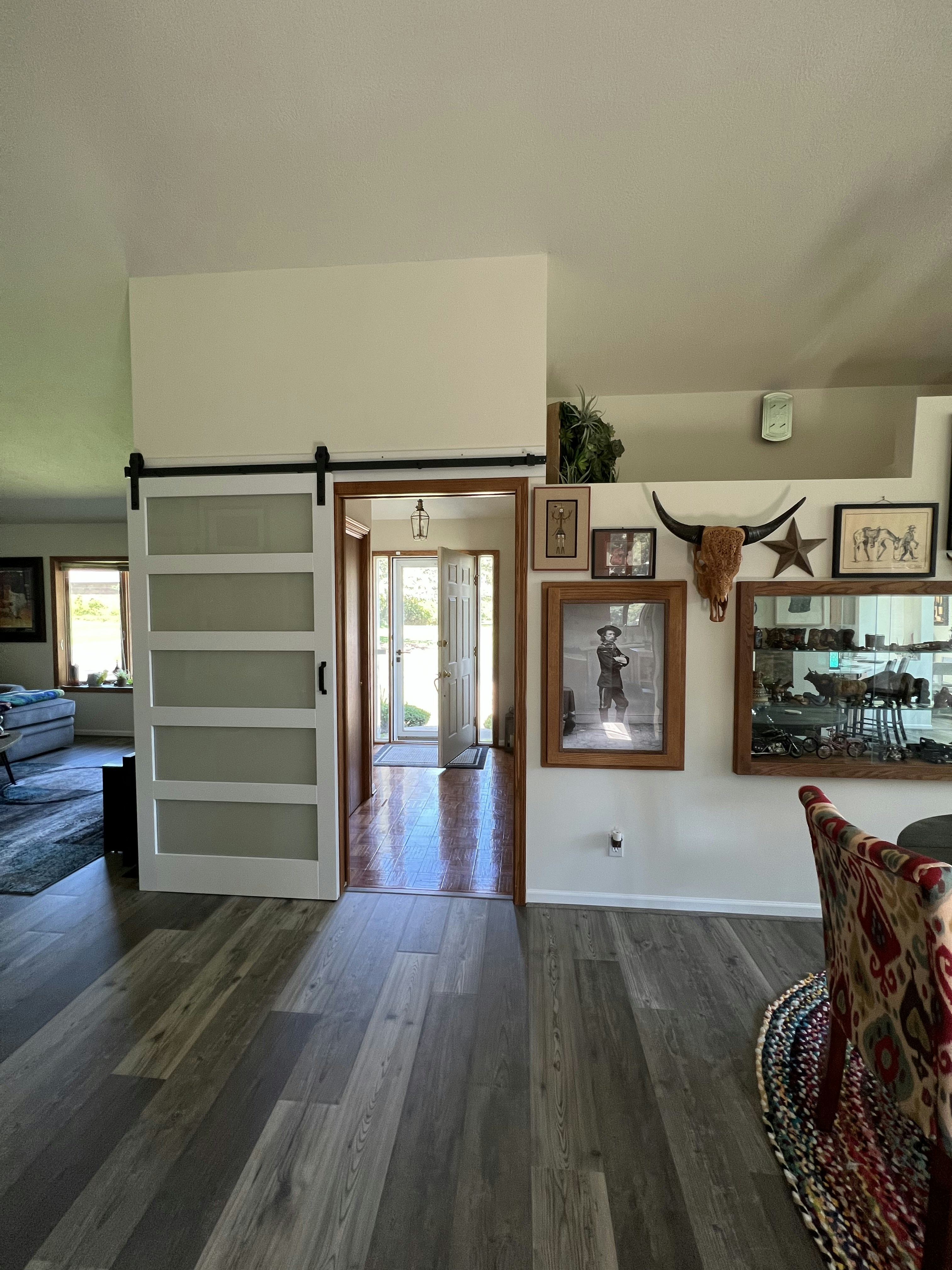
Walk each room and photograph candidates, then note dimensions and condition: interior doors (typically 80″x30–36″), wooden pallets (standard 48″x40″), mason jars (8–32 oz), and worn dining chairs. Tag items by repair difficulty—cosmetic (paint), moderate (loose joints), structural (rot)—and prioritize 1–3 items you can finish with tools you already own to avoid scope creep.
Resources and Tools: Where to Find Inspiration and Materials
Scan platforms like Pinterest and YouTube (channels such as HomeMade Modern) for project plans, and source materials from Habitat for Humanity ReStore (900+ locations), local salvage yards, Freecycle, Craigslist, and Facebook Marketplace. Keep a starter parts kit—screws, wood glue, sandpaper, 1×2 and 2×4 lumber—and a basic safety kit with goggles and dust masks.
ReStore often sells hardwood offcuts and doors for $10–$50, making them ideal for tabletops; pallets (48×40″) yield 3–5 usable planks each after de-nailing. Inspect reclaimed wood for rot, nails, or lead-based paint and use a moisture meter (ideal under 12% for indoor furniture). For inspiration, save 20–30 images in a folder, then map materials to tools you own to pick the fastest viable project.
Summing up: Creative Repurposing Methods
With this in mind, Creative Repurposing Methods empower you to extract greater value from existing materials and content by applying inventive editing, redesign, and cross-platform adaptation; by testing formats, measuring engagement, and iterating, you refine your process, reduce waste, and expand reach, so you can scale ideas efficiently and sustain creative momentum across projects.