Refurbished Antique Home Accents
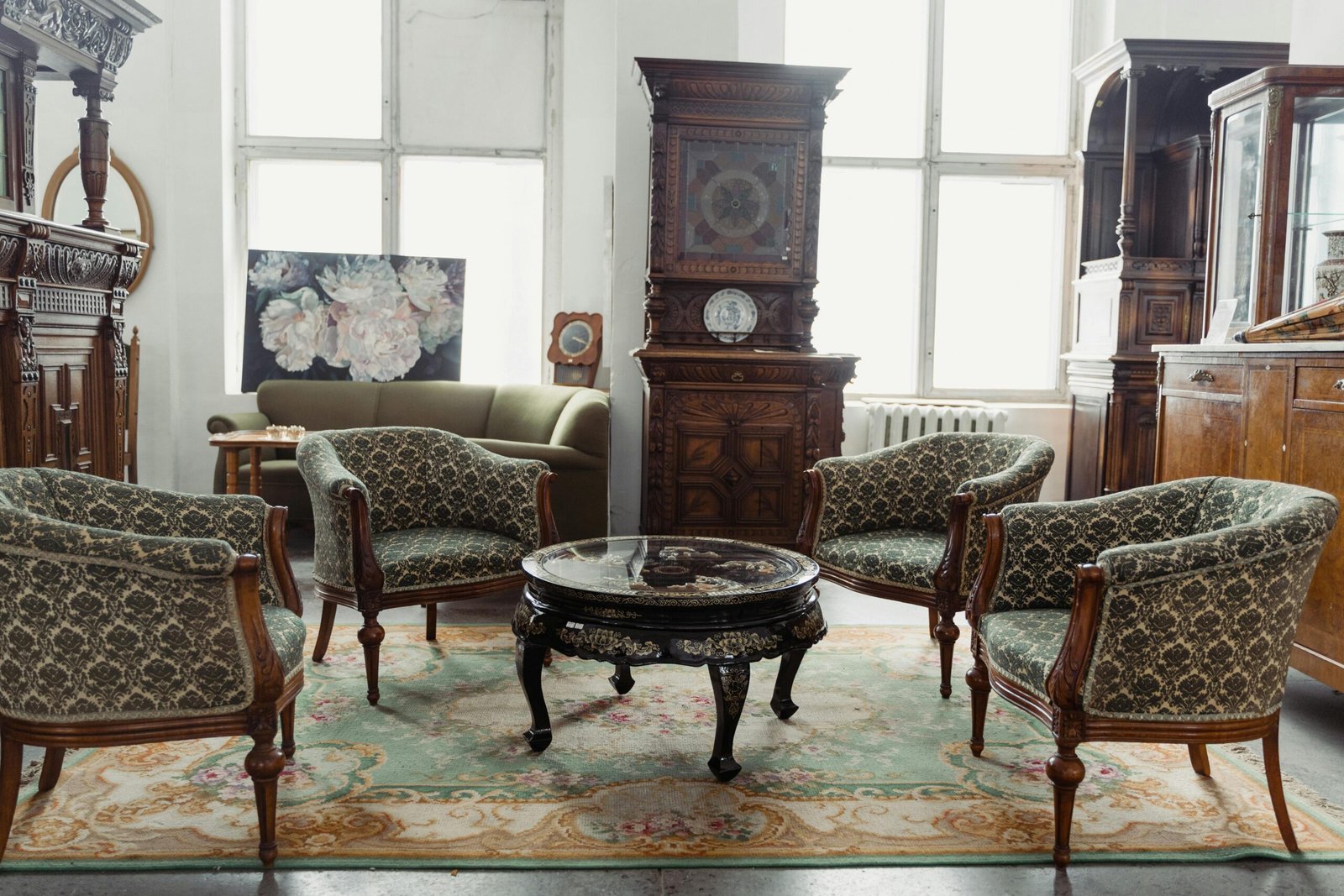
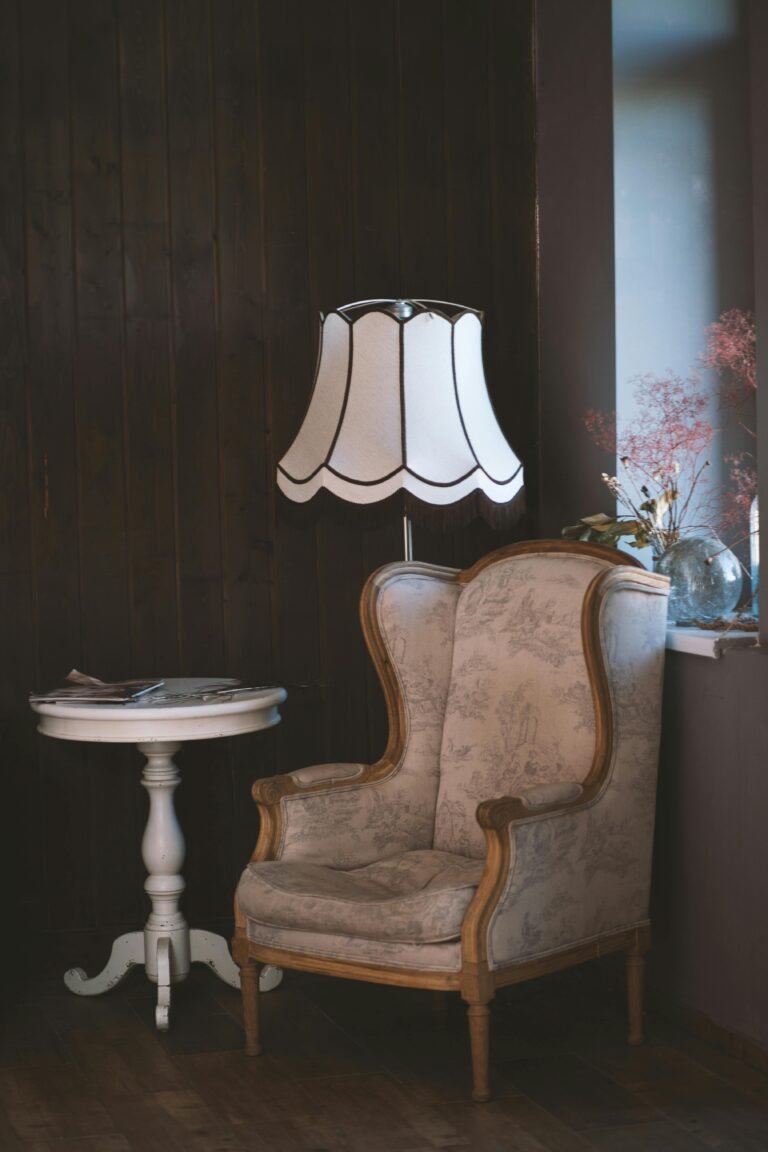
Refurbished Antique Home Accents. Just investigate the world of refurbished antique home accents and discover how you can revive vintage finds, mix them with modern pieces, and craft a warm, layered look that suits your style; this guide offers practical steps, sourcing tips, and styling ideas to help you make each piece uniquely yours.
Unearthing Timeless Treasures: The Refurbishing Process
Start with a thorough assessment of the piece: note wood species, joinery type, veneer condition, and original finish. Use a checklist to log damage—split joints, missing veneer, surface scratches—and estimate labor: many simple restorations take 3–8 hours, complex projects 12–40+ hours. You can prioritize reversible repairs, photograph every step, and test finishes on hidden areas to avoid surprises while preserving provenance and value.
The Art of Restoration: Techniques and Approaches
You start with gentle cleaning and conservation: micro-emulsions, 0000 steel wool with mineral spirits, and cotton-swab spot tests remove decades of grime without stripping patina. Reserve chemical strippers or orbital sanding for layered finishes or damaged veneers. For joinery, hot hide glue restores antique joints; epoxy fills structural cracks when invisibility is less important than strength. French polish or shellac usually matches original sheen on Victorian and Edwardian pieces.
Tools and Materials: What You Need to Get Started
You should gather hand tools: chisels (1/8″–1″), cabinet scrapers, block plane, and adjustable clamps (4″–24″). Add power tools: random orbital sander (120–220 grit), detail rotary tool, and a small plunge router for inlay work. Stock consumables: shellac flakes, 0000 steel wool, hide glue, Titebond, wood filler, veneer repair kit, tack cloths, and nitrile gloves. Expect to invest $150–$300 for a reliable starter kit.
Select adhesives and finishes by matching original construction: use hot hide glue for loose mortise-and-tenon joints, a 1-lb cut shellac (1 lb flakes per gallon alcohol) for French polishing, and oil finishes for open-grain reproduction work. Protect yourself with a P100 respirator for solvent-heavy tasks and ensure ventilation of 6–12 air changes per hour when using strippers. Shop salvage yards and auctions for vintage clamps and planes to keep startup costs down; new quality chisels typically run $40–80 each.
When History Meets Style: Incorporating Refurbished Antique Home Accents
in Modern Spaces
You can integrate antiques as focal points limiting one to three statement pieces per room, balancing scale and color for cohesion. Pair a 1920s art-deco mirror with minimalist lines, use texture contrast like distressed oak beside polished concrete, and anchor seating with an antique coffee table to create depth. Small touches—vintage knobs, brass sconces—deliver character without overwhelming contemporary flow.
Aesthetic Appeal: Blending Vintage with Contemporary Design
Mix eras but limit variety to two dominant styles to avoid visual clutter; you’ll get more impact that way. Combine warm patinas with cool palettes: gilt frames pop against slate-gray walls, and mid-century brass lamps complement linen sofas. Scale matters—oversized chandeliers should pair with low-profile furniture, while small curios gain drama on floating shelves, turning a salvaged piece into the designed moment you want guests to notice.
Functionality and Purpose: How Antique Accents Serve Modern Needs
Antique pieces often solve storage and utility needs: a Victorian armoire can hold linens and electronics, while a 1930s trunk doubles as coffee table and concealed storage. You can adapt drawers for cable management, retrofit shelving for media components, or repurpose an old hutch as a home office station. Choosing solid-wood construction ensures longevity and supports everyday use without sacrificing style.
You should inspect joinery and dimensions before adapting: measure depth and width to fit a 50–55-inch TV, check dovetail drawers and tighten loose mortise-and-tenon joints, and add a 25mm grommet for cables. Refinish only with reversible paints or waxes; rewire lighting fixtures to modern sockets via a certified electrician. In one staged living room, converting a 1920s oak sideboard into a media console gained 18 cu ft of storage after removing two shelves and adding ventilation, keeping vintage character while meeting modern needs.
Sourcing Secrets: Where to Find Quality Refurbished Antique Home Accents
Head straight to estate sales, auctions, flea markets, and specialist dealers; aim to attend 3–5 events monthly to build a steady pipeline. Check maker marks, dovetail joinery, and finish patina, and budget 10–20% of purchase price for typical refurbishment. Develop relationships with local consignors and restorers—those contacts often tip you to fresh inventory before items hit online listings.

Local Markets and Estate Sales: Hidden Gems Await
Scout estate sales during preview days and arrive late in the sale for more flexible pricing; many auctions post lots online 48–72 hours ahead. Bring a flashlight, tape measure, and gloves to inspect inside drawers and underside construction. Haggle politely—sellers commonly drop 10–30% near closing—and trade contact details with booth owners so they can hold or reserve pieces you’re tracking.
Online Platforms: Navigating Digital Spaces for Unique Finds
Use eBay’s “Sold” filter to gauge true market value, set saved searches and alerts on Etsy, Chairish, and Facebook Marketplace, and follow specialist dealers on Instagram for first looks. 1stDibs and LiveAuctioneers list many high-end items often priced in the thousands; factor buyer’s premiums of roughly 15–25%. Request extra photos, verify provenance, and favor sellers with 98%+ feedback when possible.
Ask for exact measurements, weight, and a detailed condition report before committing—shipping a dresser can add $200–$800 depending on crating, distance, and insurance. Request close-ups of maker marks, joins, and any repairs; run a reverse-image search to spot duplicate or stolen photos. Pay with PayPal or a card for buyer protection, and for purchases over a few hundred dollars get written shipping estimates and consider white‑glove carriers that include insurance.

The Value Proposition: Why Investing in Refurbished Antique Home Accents
You access better materials and craftsmanship—solid oak, hand-cut dovetails, original brass hardware—often at 30–60% less than comparable new pieces, and those details hold value over time. You can browse curated finds like Vintage Home Décor | Timeless Vintage-Inspired Accents to see how unique provenance and patina command higher resale and personal satisfaction.
Economic Benefits: Cost-Effective Alternatives to New Furniture
You often pay far less up front and get longer service life: a restored midcentury credenza might cost $300–$700 to rehab versus $1,200+ for a new equivalent. Restoration typically adds decades of use, lowers replacement cadence, and can improve resale—some restorations recoup 50–150% of cost at resale when provenance and finish are strong.
Environmental Impact: Embracing Sustainability in Home Design
You cut waste and resource demand by keeping durable items in use; refurbishing avoids the timber, metal and textile inputs required for new manufacture and reduces landfill volume from bulky disposal. Choosing restored pieces supports a circular approach that can meaningfully shrink your home’s material footprint while preserving historical materials and finishes.
Digging deeper, refurbishing usually consumes far fewer raw materials and less transport energy than new production: refinishing a hardwood table uses local labor and small-batch finishes instead of the forestry, milling, synthetic veneers and long supply chains behind many new imports. You may extend a piece’s life by 20–50 years, preventing the embodied energy and waste of replacement and often keeping several hundred pounds of material out of disposal streams over a household lifetime.

Antique Picture Frames on Amazon
Care and Maintenance: Keeping Your Antique Accents in Prime Condition
Control humidity (40–55%) and UV exposure, rotate items seasonally, and use felt pads or museum mounts to prevent wear; small interventions like tightening loose joints, re-gluing veneer edges with PVA, or applying a thin coat of microcrystalline wax can add years to a piece. For sourcing parts or vetted restoration supplies and listings, check RESTORATION HOUSE SHOP | CURATED VINTAGE and modern finds.
Cleaning and Upkeep: Preserving Patina and Charm
Use a soft cotton cloth and distilled water for routine dusting; mix one drop of pH‑neutral soap per quart for sticky spots and always test in a hidden area. Apply microcrystalline wax sparingly twice a year to wood and metal; avoid ammonia, vinegar, and abrasive pads. For upholstery, vacuum with a brush attachment and spot‑clean with a solvent recommended for the fabric type, or consult a textile cleaner for silk and needlepoint.
Restoration vs. Preservation: Understanding When to Bring in the Experts
Call a conservator for structural failures, active insect damage, electrical rewiring on pre‑1960 lamps, or when original finish and provenance matter; small surface cleaning, minor glue repairs, and routine waxing are tasks you can handle. Expect conservators with AIC affiliation to bill roughly $50–$150+/hour, while complex restorations often run $500–$3,000+ depending on materials and labor.
Distinguish preservation—stabilizing original material and halting deterioration—from restoration, which may recreate missing elements or refinish surfaces; preservation favors minimal, reversible treatments (archival adhesives, consolidation) while restoration can involve patching veneer, inlay replacement, or color matching. Photograph condition before work, ask for written treatment plans, and seek conservators who document reversible methods and provenance impact; for example, conserving an 1880 dresser might cost $400–$900 to stabilize veneer, whereas a full restoration to replace a warped top and match grain could exceed $2,000, altering collector value and display readiness.
To Wrap Up: Refurbished Antique Home Accents
With these considerations you can confidently select and place refurbished antique home accents to reflect your style, blend old and new, and extend pieces’ life with simple care. Seek quality restoration, balance scale and color, and source pieces that tell your story so your home feels warm, unique, and lived-in.